

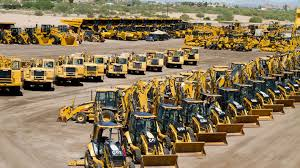

Equipment is the backbone of many businesses.
From construction machinery and restaurant ovens to medical devices and delivery vehicles, the right equipment increases productivity and revenue potential. However, large equipment purchases can strain cash flow if paid entirely upfront.
Equipment financing allows businesses to acquire the tools they need while spreading the cost over time. When structured properly, it preserves working capital and aligns payments with the equipment’s productive lifespan.
What Is Equipment Financing?
Equipment financing is a loan or lease used specifically to purchase business equipment.
Key characteristics include:
- The equipment itself serves as collateral
- Payments are made over a fixed term
- Interest-based pricing (APR model)
- Ownership typically transfers at the end of the loan term
Because the equipment secures the loan, lenders often offer better terms than unsecured financing options.
Types of Equipment Financing
Businesses generally use two primary structures.
Equipment Loans
With an equipment loan:
- The lender provides funds to purchase the equipment
- The business owns the equipment immediately
- Monthly payments are made until the loan is fully repaid
This option is ideal for assets expected to be used for many years.
Equipment Leasing
Leasing allows businesses to use equipment without immediate ownership.
Common features include:
- Lower upfront cost
- Flexible upgrade options
- Potential tax advantages depending on structure
At the end of the lease, businesses may have the option to purchase the equipment.
Common Equipment Financing Uses
Equipment financing supports many industries, including:
- Construction equipment
- Manufacturing machinery
- Medical devices
- Restaurant kitchen equipment
- Commercial vehicles
- Technology and IT infrastructure
- Agricultural machinery
If the equipment generates revenue or improves operational efficiency, financing can be a strategic tool.
Advantages of Equipment Financing
Preserves Cash Flow
Spreading payments over time keeps working capital available for other operational needs.
Predictable Payments
Fixed repayment schedules make budgeting easier.
Faster Approval
Because the equipment serves as collateral, approval may be faster than unsecured business loans.
Supports Growth
Businesses can upgrade or expand operations without large upfront investments.
Potential Drawbacks
While beneficial, equipment financing also has considerations:
- Equipment depreciation over time
- Commitment to repayment even if equipment becomes obsolete
- Possible down payment requirements
- Interest costs over the life of the loan
Careful planning ensures the asset generates enough revenue to justify financing costs.
Equipment Financing Requirements
Lenders typically evaluate:
- Time in business
- Monthly revenue deposits
- Credit profile
- Type and value of equipment
- Existing debt obligations
Because the equipment secures the loan, lenders often place strong emphasis on the asset’s resale value and expected lifespan.
When Equipment Financing Makes Sense
Equipment financing works best when:
- The equipment directly increases productivity
- Revenue generated exceeds financing cost
- Cash reserves need to remain available for operations
- The asset has a multi-year useful life
It is particularly useful for businesses scaling operations or upgrading outdated tools.
Equipment Financing vs Other Funding Options
| Feature | Equipment Financing | Working Capital Loan |
|---|---|---|
| Purpose | Asset purchase | Operational expenses |
| Collateral | Equipment | Usually unsecured |
| Term Length | Medium to long | Shorter |
| Cost | Typically lower | Often higher |
Matching the financing type to the purpose of the funds helps maintain financial stability.
How Newport Capital Ventures Structures Equipment Financing
Newport Capital Ventures evaluates:
- Equipment type and revenue impact
- Business cash flow stability
- Deposit patterns
- Existing capital exposure
- Growth objectives
The goal is to structure financing that aligns with both the equipment’s lifespan and the business’s revenue cycle.
When equipment funding is properly structured, it supports productivity without placing unnecessary strain on working capital.
Final Thought
Equipment financing allows businesses to acquire the tools they need without sacrificing liquidity.
When used strategically, it can:
- Increase operational capacity
- Improve efficiency
- Support expansion
- Protect working capital
The key is ensuring the equipment generates value that exceeds the cost of financing.
When the asset works for your business, financing becomes a growth tool rather than a financial burden.