

Funding for Contractors: Financing Options to Support Projects and Growth
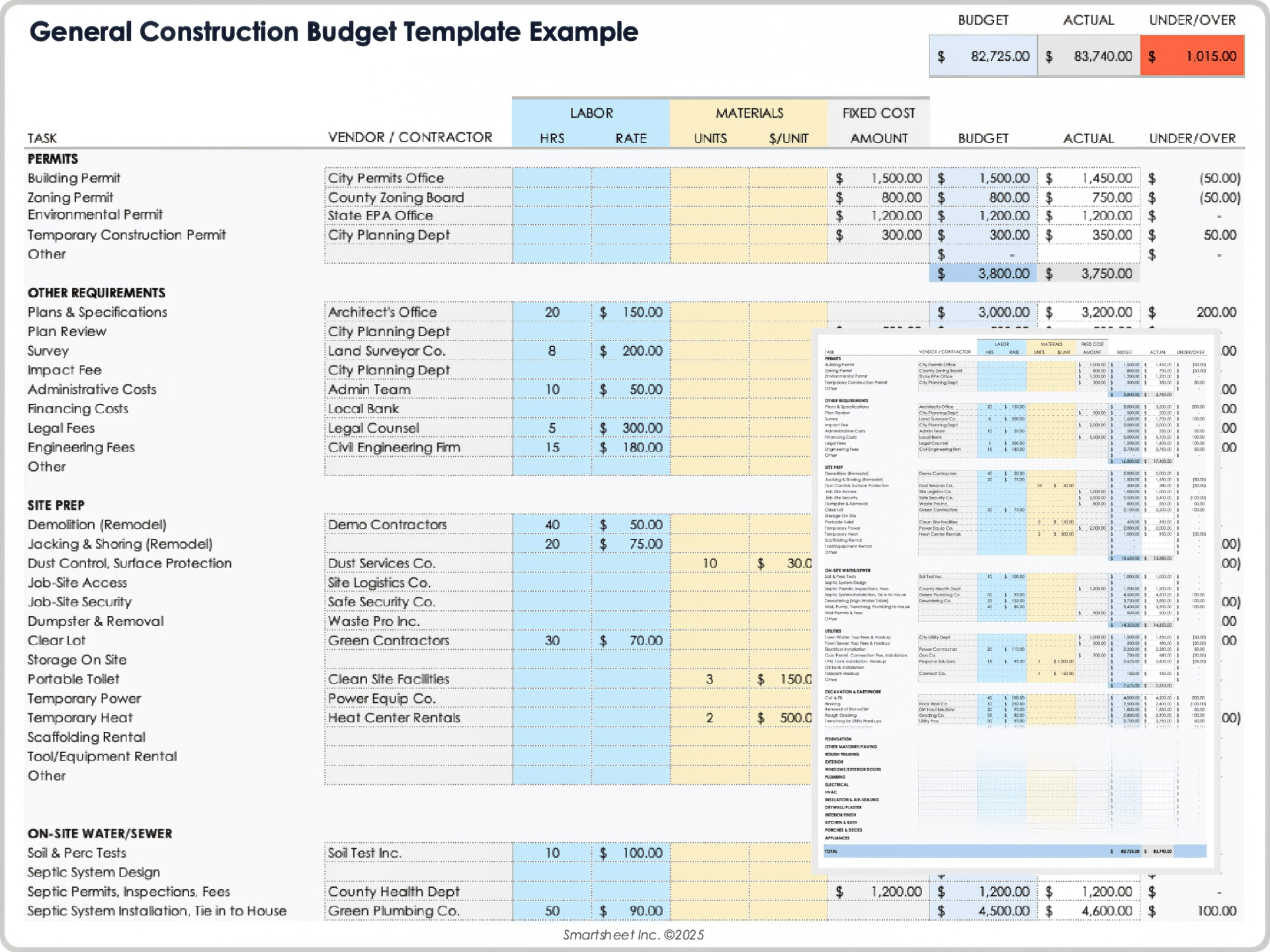

Contracting businesses often operate on tight project timelines and delayed payment schedules. Contractors frequently pay for labor, materials, and permits long before a project invoice is fully paid. Because of this timing gap, access to reliable funding can play an important role in maintaining steady operations.
Fortunately, several funding options for contractors exist to help cover job costs, support growth, and manage cash flow fluctuations. However, selecting the right financing structure is essential. When funding aligns with project timelines and revenue cycles, it can strengthen operations instead of creating financial pressure.
Why Contractors Seek Business Funding
Contractors often pursue financing to cover upfront expenses associated with active or upcoming projects. For example, a contractor may need capital to secure materials before work begins or to cover payroll while waiting for a client payment.
Common reasons contractors seek funding include:
- Purchasing construction materials
- Covering payroll for workers and subcontractors
- Leasing or purchasing equipment
- Managing delayed project payments
- Expanding into larger contracts
- Funding marketing or business development
Because construction projects often involve staged payments, contractors must frequently manage temporary cash flow gaps.
Common Funding Options for Contractors
Several financing solutions can help contractors maintain project momentum. Each option serves different needs depending on project size, timing, and urgency.
Working Capital Loans
Working capital loans help contractors cover day-to-day operational costs. For instance, contractors often use them to fund payroll, materials, or other project-related expenses.
These loans typically offer:
- Fast approval timelines
- Flexible use of funds
- Shorter repayment terms
As a result, they work well when contractors need quick access to capital.
Merchant Cash Advances (MCA)
Contractors who receive regular deposits from completed projects may qualify for a Merchant Cash Advance.
With this structure:
- The contractor receives a lump sum
- Repayment occurs through scheduled withdrawals
- Payments align with incoming revenue
Because approvals can happen quickly, MCAs may help contractors cover urgent expenses or start new projects.
Equipment Financing
Construction companies rely heavily on specialized equipment such as excavators, trucks, and power tools. Equipment financing allows contractors to purchase machinery without paying the full cost upfront.
Advantages include:
- Equipment serves as collateral
- Fixed repayment schedules
- Preservation of working capital
Consequently, this option helps contractors upgrade or expand their operational capacity.
Invoice Financing
Contractors often wait weeks or months for project payments. Invoice financing allows businesses to access a portion of the invoice value before the client pays.
Benefits include:
- Improved cash flow between project payments
- Faster access to working capital
- Ability to continue accepting new contracts
This option works especially well for contractors working with large commercial clients.
What Lenders Evaluate When Funding Contractors
When reviewing contractor funding applications, lenders typically assess several factors.
These often include:
- Monthly revenue deposits
- Time in business
- Credit profile
- Existing debt obligations
- Cash flow consistency
Additionally, lenders may review the contractor’s project pipeline and industry experience.
Because construction revenue can fluctuate, consistent deposits and strong project history improve approval chances.
When Contractor Funding Makes Sense
Contractor financing can be particularly useful when:
- Materials must be purchased before work begins
- Payroll needs increase during busy seasons
- Equipment must be replaced quickly
- Large contracts require upfront investment
- Delayed project payments affect cash flow
In these situations, financing allows contractors to maintain project momentum and avoid operational delays.
When Contractors Should Use Funding Carefully
However, contractors should evaluate financing carefully if:
- Revenue is declining significantly
- Multiple loans or advances already exist
- Profit margins are extremely tight
- Project pipelines are uncertain
Before accepting funding, contractors should ensure repayment aligns with expected project revenue.
How Newport Capital Ventures Supports Contractors
Newport Capital Ventures works with contractors to evaluate financing structures that match their project cycles and cash flow patterns.
The evaluation process often includes:
- Revenue trends
- Deposit consistency
- Project pipeline strength
- Equipment needs
- Growth plans
By analyzing these factors, funding can be structured in a way that supports ongoing projects without creating unnecessary financial pressure.
Final Thought
Contracting businesses rely on careful planning, strong project management, and consistent cash flow. Because project expenses often occur before payments arrive, access to funding can help contractors maintain stability and take on larger opportunities.
Contractor funding can:
- Bridge cash flow gaps between project payments
- Support equipment purchases
- Cover payroll and material costs
- Enable expansion into larger contracts
When used strategically, financing becomes a tool that helps contractors grow their businesses while maintaining operational momentum.