

Building Business Credit: A Guide to Strengthening Your Financing Options
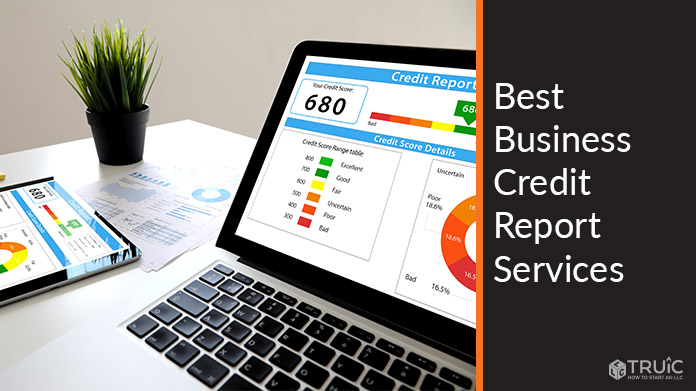

Strong business credit can significantly improve a company’s financing options. In fact, lenders often review business credit profiles before approving loans, lines of credit, or other funding solutions.
However, many business owners overlook the importance of building credit early. Without a credit history, lenders may rely heavily on personal credit or require stronger financial documentation.
Therefore, establishing and maintaining business credit can help companies access better financing terms, larger funding amounts, and lower borrowing costs over time.
What Is Business Credit?
Business credit reflects a company’s financial reliability and payment history. Similar to personal credit, it tracks how consistently a business pays its obligations.
Lenders, suppliers, and financial institutions may review business credit reports when evaluating a company’s financial stability.
Typically, a business credit profile includes:
- Payment history with vendors and lenders
- Outstanding credit balances
- Credit utilization levels
- Length of credit history
- Public records such as liens or judgments
Because this information helps lenders assess risk, stronger business credit often leads to more favorable financing opportunities.
Why Business Credit Matters
Building business credit can provide several important advantages. For example, companies with strong credit profiles often qualify for better loan terms and larger funding limits.
Some key benefits include:
- Improved financing approval chances
- Lower interest rates
- Higher credit limits
- Reduced reliance on personal credit
- Stronger relationships with vendors and suppliers
As a result, developing business credit can help companies scale operations more efficiently.
Step 1: Establish a Legal Business Entity
First, businesses should operate as a registered legal entity such as an LLC or corporation. Doing so separates the business from the owner’s personal finances.
Once the business is legally registered, it can begin establishing its own credit profile. This step is essential because lenders must be able to identify the company as a separate financial entity.
Step 2: Obtain an EIN
Next, businesses should obtain an Employer Identification Number (EIN). The EIN functions similarly to a Social Security number for businesses.
Companies use an EIN to:
- Open business bank accounts
- Apply for credit accounts
- File tax documents
- Establish credit with vendors
Consequently, obtaining an EIN is a foundational step in building business credit.
Step 3: Open a Business Bank Account
A dedicated business bank account helps demonstrate financial stability and operational consistency.
Additionally, separating business and personal finances improves financial transparency. Many lenders review bank statements during the underwriting process, so maintaining a clear business banking history can strengthen future funding applications.
Step 4: Establish Vendor Trade Lines
Vendor accounts can play an important role in building credit history. Many suppliers report payment activity to business credit bureaus.
For example, businesses may establish credit accounts with:
- Office supply vendors
- Equipment suppliers
- Wholesale distributors
When companies consistently pay invoices on time, these payments contribute to a positive credit history.
Step 5: Use Business Credit Responsibly
Once credit accounts are established, responsible usage becomes critical.
Businesses should aim to:
- Pay invoices on time or early
- Keep credit utilization low
- Avoid excessive borrowing
- Monitor credit reports regularly
Because payment history is a major factor in credit scoring, consistent on-time payments significantly strengthen business credit profiles.
Step 6: Monitor Business Credit Reports
Regularly reviewing business credit reports helps companies identify potential issues early.
Monitoring reports allows businesses to:
- Verify that payments are reported correctly
- Detect errors or inaccuracies
- Track credit score improvements
By staying informed, business owners can maintain strong credit profiles and address problems before applying for financing.
Common Mistakes When Building Business Credit
Although building credit takes time, certain mistakes can slow progress.
Businesses should avoid:
- Mixing personal and business finances
- Missing payment deadlines
- Opening too many credit accounts at once
- Ignoring credit report errors
Instead, businesses should focus on steady financial management and consistent payment behavior.
How Business Credit Affects Financing
When lenders evaluate funding applications, business credit often influences several factors.
These may include:
- Loan approval decisions
- Interest rates
- Maximum funding amounts
- Repayment terms
Therefore, stronger credit profiles generally lead to better financing opportunities.
How Newport Capital Ventures Supports Businesses
Newport Capital Ventures works with businesses to evaluate funding readiness and financial strength.
This process often includes reviewing:
- Business credit profiles
- Revenue trends
- Cash flow stability
- Existing financial obligations
By analyzing these factors, companies can identify strategies that improve both credit strength and financing opportunities.
Final Thought
Building business credit takes time and consistent financial discipline. However, the long-term benefits can be significant.
Strong business credit can help companies:
- Access better financing options
- Reduce borrowing costs
- Strengthen supplier relationships
- Support long-term growth
Ultimately, businesses that prioritize credit building position themselves for greater financial flexibility and future expansion.