

A Complete Guide to Business Funding Requirements
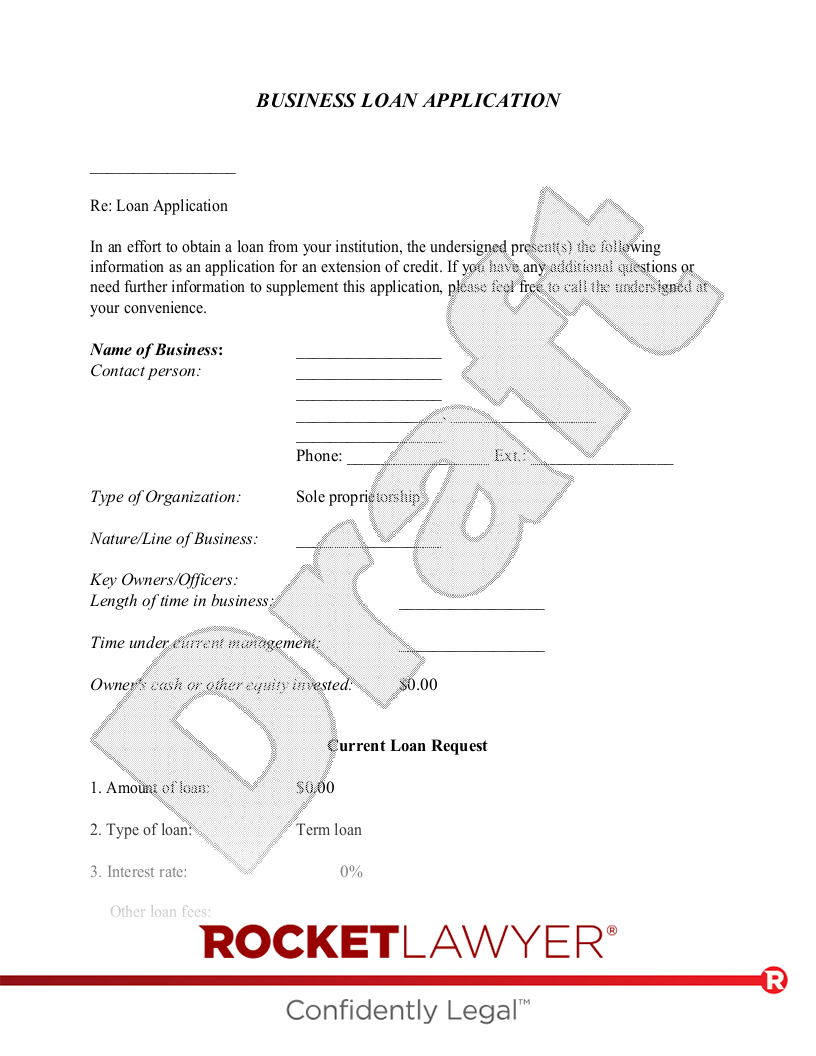

Securing business funding is not just about needing capital — it is about meeting underwriting requirements.
Whether applying for a term loan, line of credit, equipment financing, invoice factoring, or a Merchant Cash Advance (MCA), lenders evaluate risk through structured criteria.
Understanding funding requirements before applying dramatically improves approval odds, funding amounts, and pricing.
This guide outlines what lenders typically require — and how to prepare strategically.
Core Business Funding Requirements
While requirements vary by funding type, most lenders evaluate five primary categories:
- Time in business
- Revenue performance
- Cash flow behavior
- Credit profile
- Existing debt exposure
Each category contributes to risk scoring and pricing.
1. Time in Business
Traditional lenders often require:
- 1–2 years minimum operating history
Alternative lenders may approve with:
- 3–6 months of revenue
- Even shorter periods if deposits are strong
Time in business reduces perceived volatility risk. However, strong revenue traction can offset shorter history in certain funding structures.
2. Revenue Requirements
Revenue is the backbone of approval.
Underwriters review:
- Monthly gross deposits
- Revenue trends (stable, increasing, declining)
- Consistency of deposits
- Industry benchmarks
Typical revenue thresholds vary depending on funding type:
- Short-term loans and lines of credit often require consistent monthly revenue minimums
- MCA approvals rely heavily on recent deposit volume
- Invoice factoring depends on receivable strength
Consistency is often more important than total size.
3. Bank Statement Analysis
Bank statements are among the most critical underwriting documents.
Lenders assess:
- Average daily balance
- Overdraft frequency
- NSF activity
- Large unexplained transfers
- Existing ACH obligations
- Revenue concentration risk
Even profitable businesses can be declined if bank behavior signals instability.
Cash flow discipline directly affects funding outcomes.
4. Credit Profile
Credit requirements depend on funding type.
Traditional bank loans:
- Strong credit preferred
- Detailed credit history review
Alternative lenders:
- Moderate credit acceptable
- Greater emphasis on cash flow
Equipment financing:
- Personal credit often plays a larger role
Credit reflects payment history.
Cash flow reflects repayment capacity.
Both matter — but not equally across all products.
5. Existing Debt and Capital Exposure
Underwriters evaluate:
- Current loan payments
- Daily or weekly ACH withdrawals
- Stacked merchant advances
- Fixed operating obligations
If too much revenue is already committed, funding may be reduced or declined.
Debt stacking significantly increases risk scoring.
Additional Documentation Often Required
Depending on structure, lenders may request:
- Government-issued ID
- Business license
- Articles of incorporation
- Voided business check
- Tax returns (for traditional loans)
- Profit & loss statements
- Accounts receivable aging reports (for factoring)
- Equipment quotes (for equipment financing)
Preparation speeds approval.
Funding Type-Specific Requirements
Short-Term Business Loans
- Revenue consistency
- Credit evaluation
- Financial documentation
Business Line of Credit
- Stronger documentation
- Cash flow stability
- Predictable revenue patterns
Merchant Cash Advance
- Recent bank statements
- Revenue-based underwriting
- Faster approval process
Invoice Factoring
- Creditworthy customers
- Valid receivables
- Clean invoice documentation
Equipment Financing
- Equipment details
- Asset valuation
- Credit profile
Each funding structure evaluates risk differently.
Common Reasons Applications Are Declined
- Insufficient revenue
- Frequent overdrafts
- Excessive existing debt
- Declining revenue trend
- Poor documentation
- Unverifiable business activity
Many declines are preventable with preparation.
How to Improve Funding Approval Odds
Before applying:
- Clean up overdrafts
- Avoid stacking advances
- Maintain steady deposit activity
- Separate personal and business finances
- Prepare documentation in advance
- Strengthen personal credit where possible
Underwriters prioritize clarity and stability.
How Newport Capital Ventures Approaches Funding Requirements
Newport Capital Ventures evaluates:
- Revenue cadence
- Cash flow durability
- Margin structure
- Capital purpose
- Risk alignment
Rather than applying rigid one-size-fits-all criteria, funding structures are matched to operational reality.
The goal is approval that supports sustainability — not overextension.
Final Thought
Business funding approval is not random.
It is a structured risk assessment based on:
- Revenue behavior
- Liquidity management
- Credit discipline
- Operational stability
When you understand funding requirements in advance, you position your business for stronger approval, better terms, and long-term financial flexibility.
Capital favors preparation.