

Invoice Factoring vs MCA: Turning Receivables into Cash

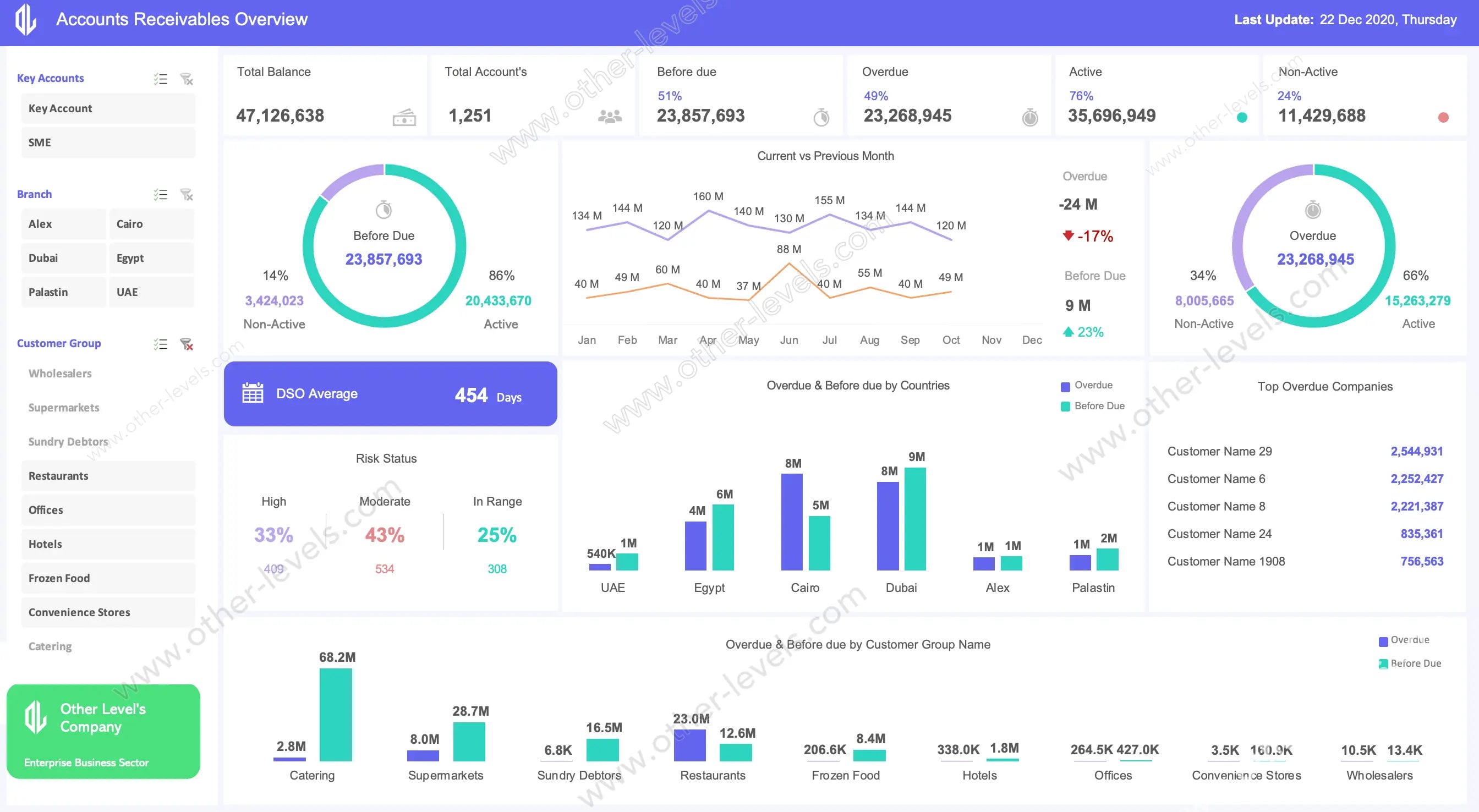
Unpaid invoices are revenue — but they are not cash.
For businesses that operate on net-30, net-60, or even net-90 payment terms, receivables can create significant working capital strain. When payroll, vendors, and operational costs are due before clients pay, liquidity becomes critical.
Two common funding solutions used to convert receivables into cash are Invoice Factoring and a Merchant Cash Advance (MCA).
While both improve cash flow, they operate under very different mechanics.
What Is Invoice Factoring?
Invoice factoring allows a business to sell its outstanding invoices to a factoring company at a discount in exchange for immediate cash.
How it works:
- You issue an invoice to your client.
- The factoring company advances a percentage (often 70–90%).
- The client pays the factor directly.
- The remaining balance is released to you minus fees.
Key characteristics:
- Asset-based (secured by receivables)
- Not structured as traditional debt
- Approval depends heavily on your client’s creditworthiness
- Scales with invoice volume
Factoring directly leverages accounts receivable as the funding mechanism.
What Is a Merchant Cash Advance (MCA)?
An MCA provides a lump sum of capital repaid through a percentage of future receivables (often daily or weekly).
Key characteristics:
- Revenue-based underwriting
- Factor rate pricing
- Daily or weekly withdrawals
- Not tied to specific invoices
- Faster approval process
Instead of selling invoices, you are advancing against future sales performance.
Structural Differences That Matter
1. Source of Repayment
Invoice Factoring
- Repaid when your client pays the invoice
- Payment responsibility shifts to customer
MCA
- Repaid through your ongoing business revenue
- Payment obligation remains with you
Factoring leverages client credit strength.
MCA leverages your sales flow.
2. Impact on Customer Relationships
Factoring
- Customers may be notified to remit payment to factor
- Can affect perception depending on industry norms
MCA
- Invisible to customers
- No direct customer involvement
Industries such as trucking, staffing, manufacturing, and government contracting commonly use factoring without issue.
3. Cost Structure
Factoring
- Fees based on invoice value and time outstanding
- Generally lower cost when invoices pay quickly
MCA
- Fixed factor rate
- Total repayment predetermined
- Effective cost depends on repayment speed
Businesses with strong-paying customers often benefit from factoring’s cost efficiency.
4. Qualification Factors
Factoring
- Emphasis on client creditworthiness
- Strong B2B receivables required
MCA
- Emphasis on your revenue volume
- Less focus on customer credit
If your customers are large, reliable companies, factoring may offer better leverage.
When Invoice Factoring Makes Strategic Sense
Best suited for:
- B2B companies with large receivables
- Businesses operating on extended payment terms
- Companies with strong corporate or government clients
- Firms looking for scalable working capital
Common industries:
- Transportation and trucking
- Staffing agencies
- Manufacturing
- Wholesale distribution
- Government contractors
Factoring aligns directly with invoice volume growth.
When an MCA Makes Strategic Sense
Best suited for:
- Businesses without strong B2B receivables
- Companies with immediate capital needs
- Retail or card-heavy revenue models
- Situations requiring fast funding
Common use cases:
- Payroll stabilization
- Emergency expenses
- Inventory purchases
- Bridging short-term cash gaps
An MCA provides speed when invoice-based structures are not practical.
Risk Considerations
Invoice Factoring Risks:
- Dependency on customer payment speed
- Concentration risk if few large clients
- Potential perception impact
MCA Risks:
- Higher cost
- Daily repayment pressure
- Revenue volatility impact
Both require careful alignment with margin structure and cash flow forecasting.
Side-by-Side Comparison
| Feature | Invoice Factoring | MCA |
|---|---|---|
| Collateral | Receivables | Future Revenue |
| Customer Involvement | Yes | No |
| Cost | Typically Lower | Typically Higher |
| Speed | Moderate | Fast |
| Scales With Growth | Yes | Limited |
| Best For | B2B Invoices | Revenue-Based Businesses |
The right solution depends on how your business earns and collects revenue.
How Newport Capital Ventures Structures the Right Fit
Newport Capital Ventures evaluates:
- Accounts receivable aging
- Customer credit strength
- Revenue volatility
- Margin profile
- Urgency of capital need
Rather than defaulting to a single product, funding is aligned with operational behavior and growth objectives.
Receivables should fuel expansion — not create pressure.
Final Thought
If your revenue is tied up in unpaid invoices, invoice factoring can unlock capital efficiently.
If your revenue is ongoing and immediate, an MCA may deliver faster access.
The smart decision is not about the product — it is about aligning capital structure with your revenue mechanics.
When receivables are managed strategically, cash flow becomes a competitive advantage instead of a constraint.