

Loan Covenants Explained for Small Business Owners

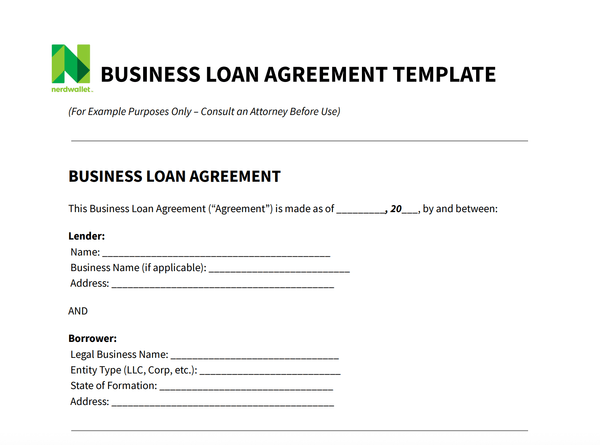
When a business receives financing, the lender often includes specific conditions in the agreement. These conditions are known as loan covenants. Although they may seem complex at first, covenants simply define rules that help protect both the lender and the borrower.
Therefore, understanding loan covenants can help business owners manage their financing responsibly. When businesses follow these conditions carefully, they reduce the risk of penalties or loan default.
For that reason, every small business owner should understand how loan covenants work before signing a funding agreement.
What Are Loan Covenants?
Loan covenants are contractual conditions included in a loan agreement. Essentially, they outline actions that a borrower must take or must avoid during the life of the loan.
Because lenders want to ensure that the borrower remains financially stable, covenants help monitor financial health throughout the repayment period.
In most agreements, covenants fall into two main categories:
- Affirmative covenants
- Negative covenants
Understanding these categories makes it easier to interpret loan documents.
Affirmative Covenants
Affirmative covenants describe actions that a business must perform while the loan is active.
For example, a lender may require a business to:
- Maintain proper financial records
- Submit periodic financial statements
- Pay taxes on time
- Maintain adequate insurance coverage
- Keep business licenses active
Because these requirements help lenders monitor financial health, they are common in many business loan agreements.
Negative Covenants
Negative covenants, on the other hand, define actions that the borrower cannot take without lender approval.
These restrictions may include:
- Taking on additional debt
- Selling major business assets
- Changing ownership structure
- Distributing large dividends
- Entering certain financial agreements
Therefore, negative covenants help ensure that the borrower does not take actions that could increase financial risk.
Financial Covenants
Some loan agreements also include financial performance requirements. These are often called financial covenants.
For example, lenders may require businesses to maintain:
- Minimum cash flow levels
- Certain debt-to-income ratios
- Specific liquidity thresholds
- Minimum net worth levels
Because these metrics help lenders track financial stability, businesses must monitor them carefully during the loan term.
Why Lenders Use Loan Covenants
Loan covenants provide several important protections for lenders. However, they also benefit borrowers by promoting responsible financial management.
Lenders include covenants to:
- Reduce financial risk
- Monitor business performance
- Encourage responsible financial behavior
- Protect loan repayment capacity
Consequently, covenants help ensure that both parties remain aligned throughout the financing relationship.
What Happens If a Covenant Is Violated?
When a business fails to meet a covenant requirement, the situation is known as a covenant breach.
However, a breach does not always mean immediate default. In many cases, lenders provide an opportunity to correct the issue.
Possible outcomes may include:
- A temporary waiver from the lender
- Adjustments to loan terms
- Additional reporting requirements
- Loan restructuring
Because communication is critical, businesses should notify lenders immediately if they anticipate difficulty meeting covenant conditions.
How Small Businesses Can Manage Loan Covenants
Fortunately, businesses can manage covenants effectively with proper planning and financial discipline.
For example, companies can:
- Review covenant terms before signing agreements
- Track financial metrics regularly
- Maintain accurate financial records
- Communicate with lenders proactively
By monitoring these factors, businesses can avoid unexpected covenant violations.
How Newport Capital Ventures Helps Businesses Understand Funding Terms
Newport Capital Ventures works with business owners to help them understand the terms of their financing agreements before they commit.
During the funding evaluation process, businesses can review:
- Payment structures
- Financial obligations
- Covenant conditions
- Long-term repayment expectations
As a result, business owners gain greater clarity and confidence when choosing financing solutions.
Final Thought
Loan covenants play an important role in many business funding agreements. Although they may appear complex, their purpose is straightforward: to ensure that businesses maintain financial stability during the repayment period.
When small business owners understand covenant requirements, they can:
- Protect their financing relationship
- Avoid unnecessary penalties
- Maintain healthy financial operations
- Manage debt more effectively
Ultimately, careful review of loan covenants helps businesses make smarter financing decisions and build stronger long-term financial foundations.