

MCA for Contractors: Funding Jobs, Materials, and Labor
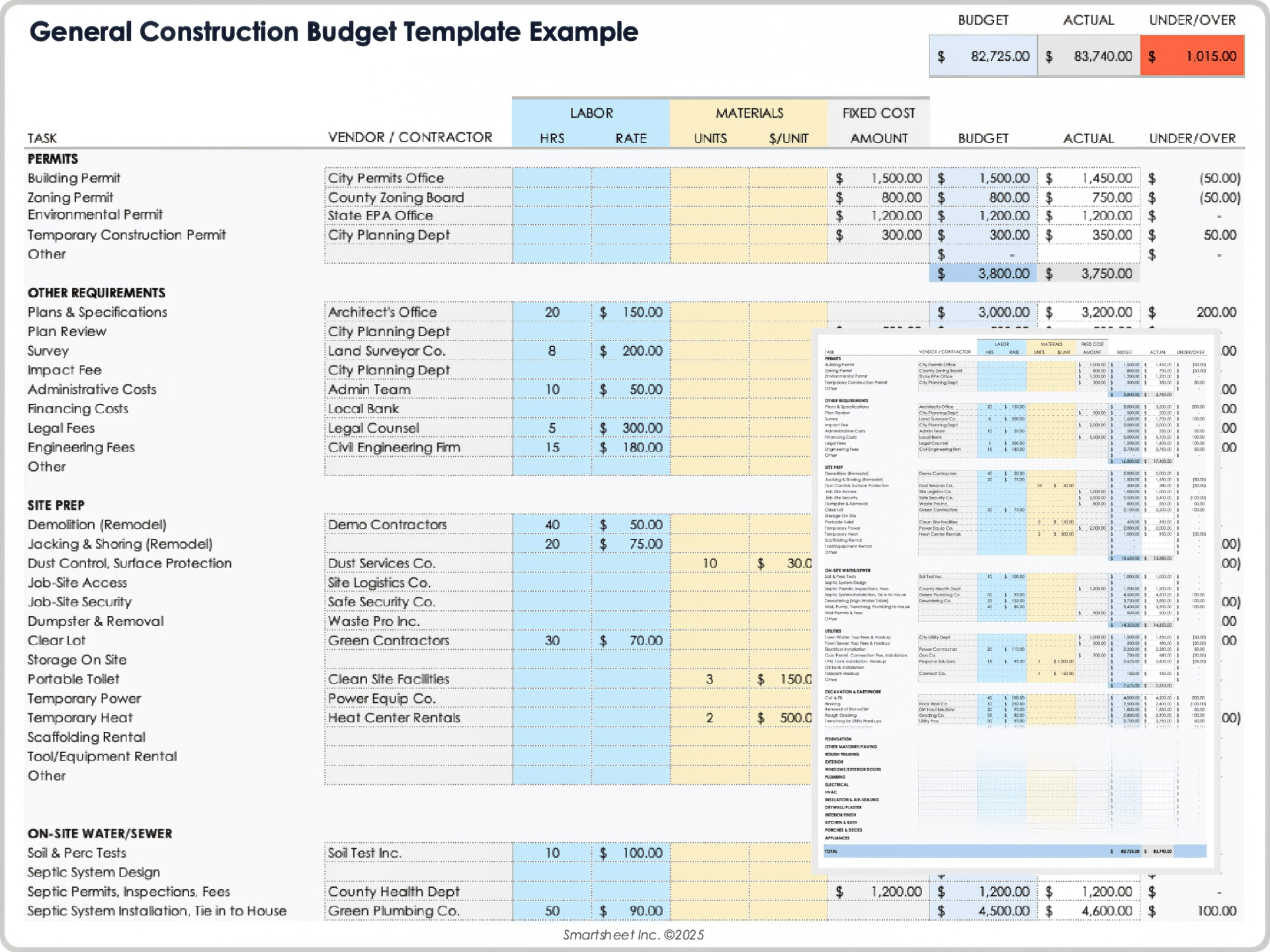

Contracting businesses operate on timing gaps.
You win the job.
You mobilize labor.
You purchase materials.
You cover payroll.
But payment often comes later — sometimes much later.
For contractors facing upfront job costs and delayed receivables, a Merchant Cash Advance (MCA) can provide short-term working capital to keep projects moving.
Used correctly, it bridges cash flow gaps.
Used incorrectly, it compresses margins.
This guide explains how contractors can use MCA funding strategically.
Why Contractors Experience Cash Flow Strain
Contractors commonly face:
- Net-30 / Net-60 / milestone billing cycles
- Retainage holdbacks
- Delayed inspections or draw approvals
- Upfront material purchases
- Weekly payroll obligations
- Change order timing delays
Even profitable jobs can create short-term liquidity pressure.
Revenue is earned — but not yet collected.
How an MCA Works for Contractors
An MCA provides a lump sum of capital repaid through:
- Daily or weekly ACH withdrawals
- A percentage of future receivables
Approval is primarily based on:
- Recent bank deposits
- Revenue consistency
- Time in business
- Cash flow behavior
For contractors with steady deposits from completed jobs, this structure can unlock capital quickly.
Common Uses of MCA Funding in Contracting
Responsible use typically includes:
1. Material Purchases
Buying lumber, steel, HVAC units, electrical components, or concrete before client draws clear.
2. Labor and Payroll
Covering crews while waiting on milestone payments.
3. Equipment Rentals
Short-term heavy equipment needs tied to a specific job.
4. Mobilization Costs
Fuel, permits, site preparation, and subcontractor deposits.
5. Bridging Retainage Delays
Maintaining operations while retainage funds remain held.
The key is tying funding directly to active revenue-generating projects.
When an MCA Makes Sense for Contractors
An MCA may be appropriate when:
- You have signed contracts in place
- Revenue deposits are consistent
- Payment delay is temporary
- A specific job requires upfront capital
- Opportunity cost of delay is high
Speed matters when crews are waiting and materials must be secured.
When an MCA Does NOT Make Sense
Avoid using MCA funding when:
- Jobs are speculative
- Revenue is declining sharply
- Margins are extremely thin
- Multiple advances are already stacked
- There is no clear receivable coming
MCA funding should bridge confirmed revenue — not replace operational discipline.
Risk Factors Contractors Must Evaluate
Before signing, assess:
- Total repayment amount
- Daily ACH impact on operating cushion
- Seasonality of project pipeline
- Existing loan or equipment payment obligations
- Backup plan if project payments are delayed
Construction revenue can be irregular.
Cash flow modeling is essential.
Contractors vs Other Funding Options
Depending on the situation, alternatives may include:
- Invoice factoring (for large commercial receivables)
- Equipment financing (for machinery purchases)
- Short-term business loans
- Business line of credit
MCA funding is typically the fastest option — but not always the lowest cost.
Matching funding structure to job timeline protects margins.
Responsible MCA Use for Contractors
A disciplined approach includes:
- Borrowing only for active signed jobs
- Matching funding size to job cash flow gap
- Avoiding stacked advances
- Planning repayment around expected draw schedule
- Monitoring daily balances closely
MCA funding should accelerate job completion — not reduce profitability.
How Newport Capital Ventures Supports Contractors
Newport Capital Ventures evaluates:
- Project pipeline visibility
- Deposit patterns
- Job margin strength
- Retainage exposure
- Existing capital obligations
Funding is structured around operational timing — not just approval speed.
The objective is to keep crews working and projects moving without overextending cash flow.
Final Thought
Contracting businesses succeed on execution and timing.
When payment cycles lag behind job costs, structured capital can maintain momentum.
An MCA can be a practical bridge for:
- Materials
- Labor
- Mobilization
- Short-term gaps
But it must align with signed revenue and predictable deposits.
Used strategically, MCA funding helps contractors complete jobs confidently and protect cash flow stability.