

Business Line of Credit vs MCA: Flexibility vs Speed
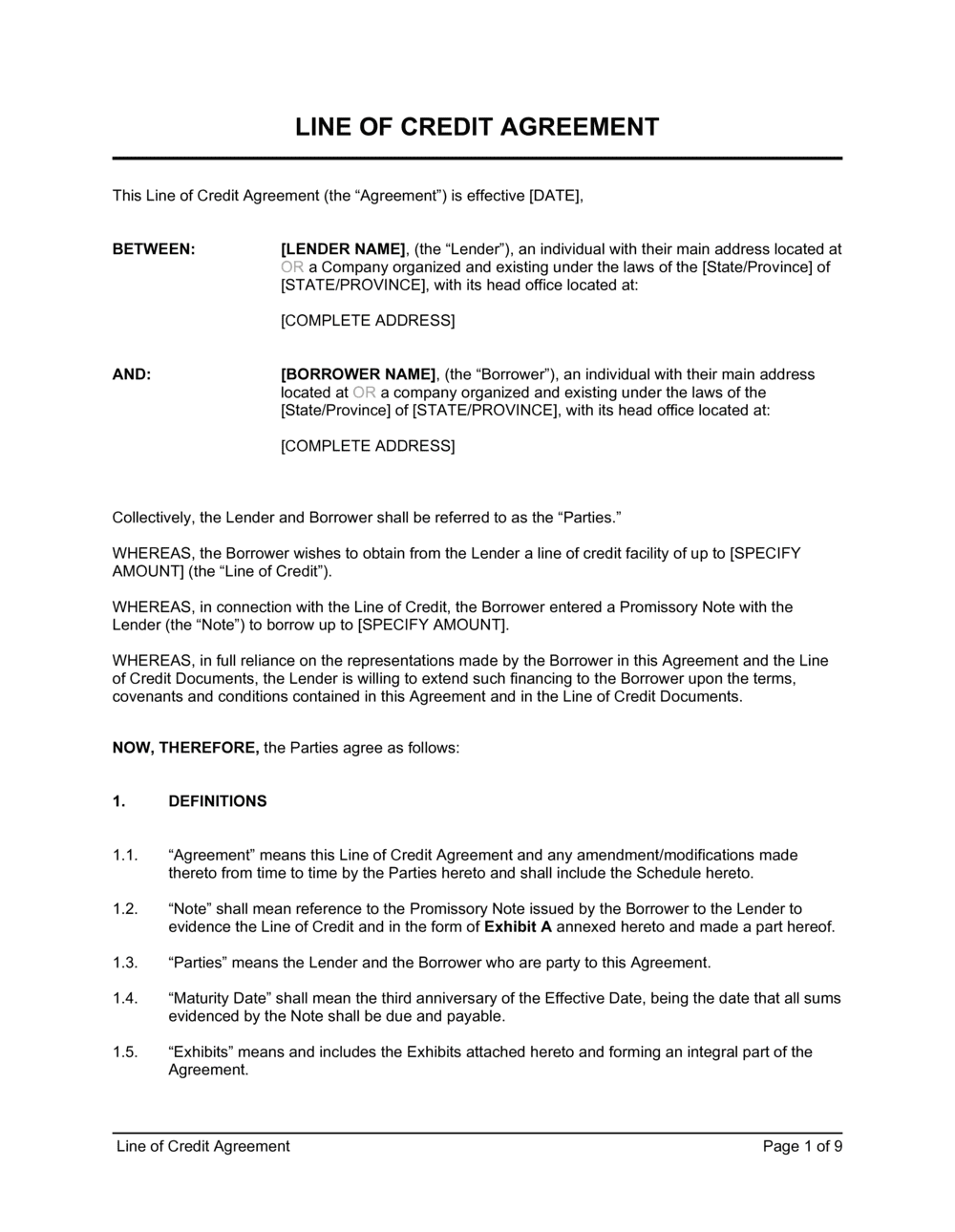

When businesses need access to capital, two popular solutions often surface: a Business Line of Credit and a Merchant Cash Advance (MCA).
Both provide liquidity.
Both support short-term operational needs.
But their structure, repayment mechanics, and strategic advantages differ significantly.
The real comparison is not which is better — it is whether your business needs flexibility or speed.
What Is a Business Line of Credit?
A business line of credit provides access to a revolving credit limit that you can draw from as needed.
Key features:
- Approved credit limit (e.g., $50,000–$500,000+)
- Draw only what you need
- Pay interest only on funds used
- Revolving structure (reusable after repayment)
- Fixed or variable repayment terms
It functions similarly to a business credit card, but typically with larger limits and structured underwriting.
What Is a Merchant Cash Advance (MCA)?
An MCA provides a lump sum upfront in exchange for a percentage of future receivables.
Key features:
- Single advance amount
- Repaid via daily or weekly sales percentage
- Uses factor rate pricing
- No revolving structure
- Faster qualification
Instead of a reusable credit line, it is a one-time advance tied directly to revenue performance.
Core Structural Differences
1. Flexibility
Business Line of Credit
- Draw funds when needed
- Reuse capital after repayment
- Ideal for ongoing working capital needs
- Strong budgeting control
MCA
- One-time lump sum
- Must reapply for additional funding
- Best for immediate, defined need
If your business experiences recurring short-term cash gaps, a line of credit often provides superior long-term efficiency.
2. Speed
MCA
- Faster underwriting
- Revenue-based approval
- Often funds within days
Line of Credit
- May require financial statements
- Credit review is deeper
- Approval can take longer
When urgency is critical, speed becomes decisive.
3. Repayment Mechanics
Business Line of Credit
- Fixed payment schedule
- Interest accrues only on outstanding balance
- Predictable repayment planning
MCA
- Payment fluctuates with sales
- Higher sales accelerate payoff
- Lower sales reduce daily withdrawal
Revenue volatility often favors MCA flexibility in repayment amount.
4. Cost Structure
Line of Credit
- Interest-based (APR model)
- Lower cost for qualified borrowers
- More transparent comparison across lenders
MCA
- Factor rate pricing
- Total repayment amount predetermined
- Effective cost depends on sales speed
Businesses with strong credit and documentation often achieve lower cost capital through a line of credit.
When a Business Line of Credit Makes Sense
Best suited for:
- Stable revenue businesses
- Predictable seasonal gaps
- Ongoing working capital management
- Companies wanting reusable capital
- Owners focused on long-term cost efficiency
Common use cases:
- Payroll support
- Inventory restocking
- Managing receivables timing
- Vendor payment smoothing
A line of credit is typically a strategic liquidity tool.
When an MCA Makes Strategic Sense
Best suited for:
- Urgent capital needs
- Variable or fluctuating revenue
- Credit challenges
- Time-sensitive opportunities
- Rapid growth scaling
Common use cases:
- Emergency payroll
- Discounted supplier opportunity
- Bridge funding before receivables clear
- Seasonal revenue spikes
An MCA is often a tactical solution for immediate funding needs.
Risk Considerations
Regardless of structure, risks arise when:
- Capital is used to cover ongoing structural losses
- Multiple advances are stacked
- Repayment capacity is not stress-tested
- Funding replaces operational discipline
Capital should strengthen operations, not mask inefficiencies.
Side-by-Side Comparison
| Feature | Business Line of Credit | MCA |
|---|---|---|
| Structure | Revolving | Lump Sum |
| Reusable | Yes | No |
| Repayment | Fixed | Revenue-based |
| Cost Model | Interest (APR) | Factor Rate |
| Speed | Moderate | Fast |
| Best For | Ongoing flexibility | Immediate speed |
The choice depends on whether your business values controlled flexibility or rapid access.
How Newport Capital Ventures Aligns Funding With Reality
Newport Capital Ventures evaluates:
- Revenue consistency
- Margin structure
- Cash flow volatility
- Credit profile
- Urgency level
Rather than pushing one product, funding is structured based on operational behavior and growth objectives.
Capital should be a stabilizer — not a stress multiplier.
Final Thought
A business line of credit builds financial agility.
An MCA delivers immediate liquidity.
Both can be powerful tools when used correctly.
The smartest decision aligns capital structure with how your business earns revenue — and how quickly you need funding.